

Last Updated: November 21, 2026
Quick Summary
The Hunt A Killer board game is a subscription-based detective series where you work through physical evidence, documents, and puzzles to identify a killer across a multi-episode season. There is no board, no dice, and no rulebook full of victory conditions, just a case file to investigate. Each episode takes 1-2 hours and is designed to be opened only after the previous one is solved.
- Hunt A Killer is a separate company offering subscription-based detective series, not a traditional board game.
- Episode gating means each box ends on a hook and the next opens only after the previous is solved.
- Difficulty depends on the ratio of document analysis to cipher work and the number of active suspects.
- Document-heavy cases are more accessible, while puzzle-heavy cases reward patience and punish tables that hate codes.
- Killer Mystery offers a monthly subscription, a complete box set, and single story games as an alternative.
Table of Contents
- Hunt A Killer Board Game Review: What You're Actually Buying
- How the Hunt A Killer Game Rules Work in Practice
- Hunt A Killer Game Duration: How Long Each Case Takes
- Clues, Evidence, and Puzzles: Is It Actually Challenging?
- Hunt A Killer vs Killer Mystery: Side-by-Side Comparison
- Murder Mystery Games for Game Night: Who Each Option Fits
- Start Your Investigation with Killer Mystery
- Frequently Asked Questions
Hunt A Killer Board Game Review: What You're Actually Buying
The Hunt A Killer board game is a subscription-based detective series where you work through physical evidence, documents, and puzzles to identify a killer across a multi-episode season (Old Thunder). It sits somewhere between a tabletop game and an interactive true crime story, and that hybrid nature is exactly why buyers hesitate before committing. This review from Killer Mystery breaks down how the game actually plays, what arrives in the box, and where it falls short, so you can decide before you spend.
Here's the first thing most listings gloss over: Hunt A Killer is not a board game in the traditional sense. There is no board, no dice, and no rulebook full of victory conditions. What you get is a case file. You read witness statements, examine photographs, decode ciphers, and cross-reference timelines until the evidence points at one suspect.
That distinction matters for your group. If your family expects a fast, rules-light party game, this will feel slow. If your group loves true crime podcasts and arguing over motive, it clicks fast.
How the Hunt A Killer Game Rules Work in Practice
Episode gating is the other structural rule to understand. Each box ends on a hook, and the next episode is designed to be opened only after the previous one is solved. If your group binges, you will run out of material and wait; if your group meets monthly, the cadence matches the design. Neither approach is wrong, but deciding which one your table wants before you subscribe prevents the most common complaint about the format.
Hunt A Killer Game Duration: How Long Each Case Takes
If you are mapping out play time before you buy, our guide to how long mystery games take walks through duration expectations across the whole category, including single-story games you can finish in one sitting.
Clues, Evidence, and Puzzles: Is It Actually Challenging?
Difficulty is the most honest question to ask, and the useful answer is not 'it varies' but a breakdown of what actually makes a case hard. Across the line, three levers move difficulty: the ratio of document analysis to cipher work, the number of active suspects you are tracking at once, and how much the physical evidence depends on cross-referencing dates and locations rather than reading comprehension alone.
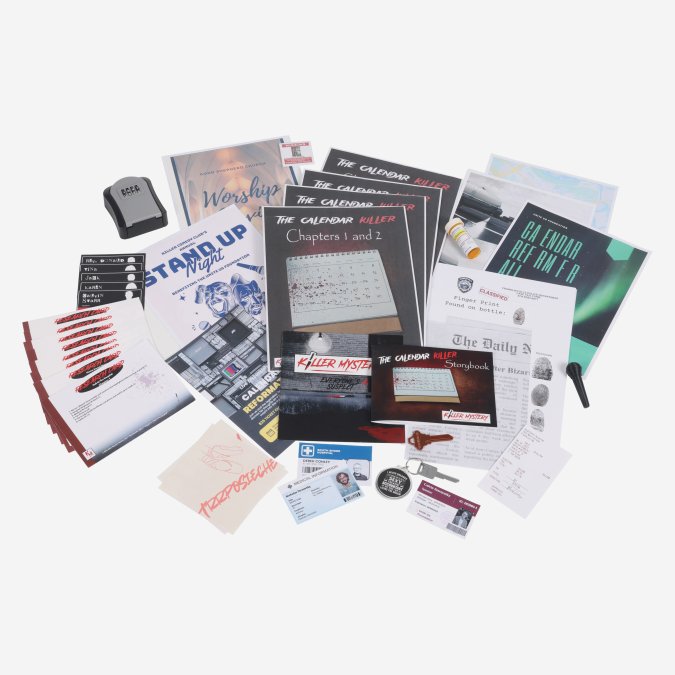
Cases that lean on document analysis and timeline building tend to be the most accessible. If your group is comfortable reading witness statements and lining up dates, you will keep momentum. Cases that pile on ciphers, decoding, and physical puzzles reward patience and punish tables that hate substitution codes. A common pattern is that a group breezes through a document-heavy season and then hits a wall in a puzzle-heavy one, which is why the puzzle-to-reading ratio matters more than any single difficulty label.
Hunt A Killer vs Killer Mystery: Side-by-Side Comparison
Here is the comparison. Hunt A Killer is a separate company offering subscription-based detective series. Killer Mystery offers a monthly subscription box, a complete box set, and single story games.
| Feature | Hunt A Killer | Killer Mystery |
|---|---|---|
| Buying model | Subscription seasons | Subscription, box set, or single story |
| Story format | Multi-episode season | 5-episode seasons or standalone cases |
| Players | Small groups | Solo, couple, or up to 8 |
| Play time | 1-2 hours per episode | 30 minutes to 2 hours per episode |
| Suggested age | Teen and up | 13 and up |
| Online support | Clue Portal | Clue Portal for hints |
| Single-case option | Limited | Yes, no subscription needed |
Our murder mystery party vs Hunt A Killer breakdown goes deeper on that trade-off, and our Hunt A Killer alternatives guide covers what else is worth a look.
Murder Mystery Games for Game Night: Who Each Option Fits
Murder mystery games for game night work best when the format matches the group.
For a couple who wants a recurring date-night ritual, a subscription makes sense. For a family with teenagers who want one big night, a complete box set keeps everyone on the same story. For a host planning a single gathering, a standalone case works well for one sitting.
Start Your Investigation with Killer Mystery
If the subscription model is what appealed to you about Hunt A Killer, our monthly murder mystery subscription box delivers five connected episodes with physical clues, puzzles, and a Clue Portal for hints, at $29.00 month to month or $129.00 for a full season pass. Prefer to binge? The complete '80s Were Killer box set ships all five episodes at once for $129.99. And if you want one self-contained case with no commitment, The Calendar Killer is $39.99.
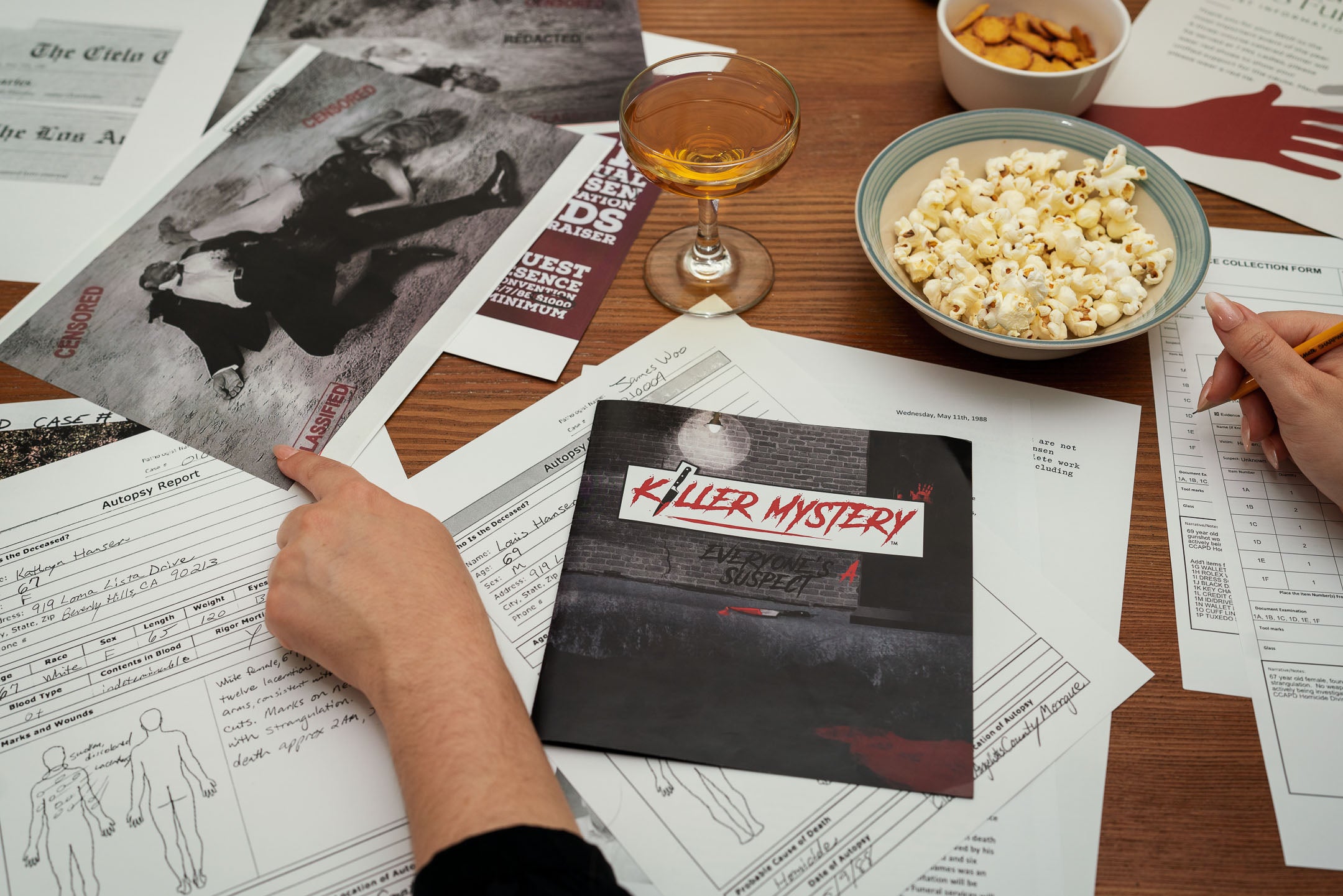
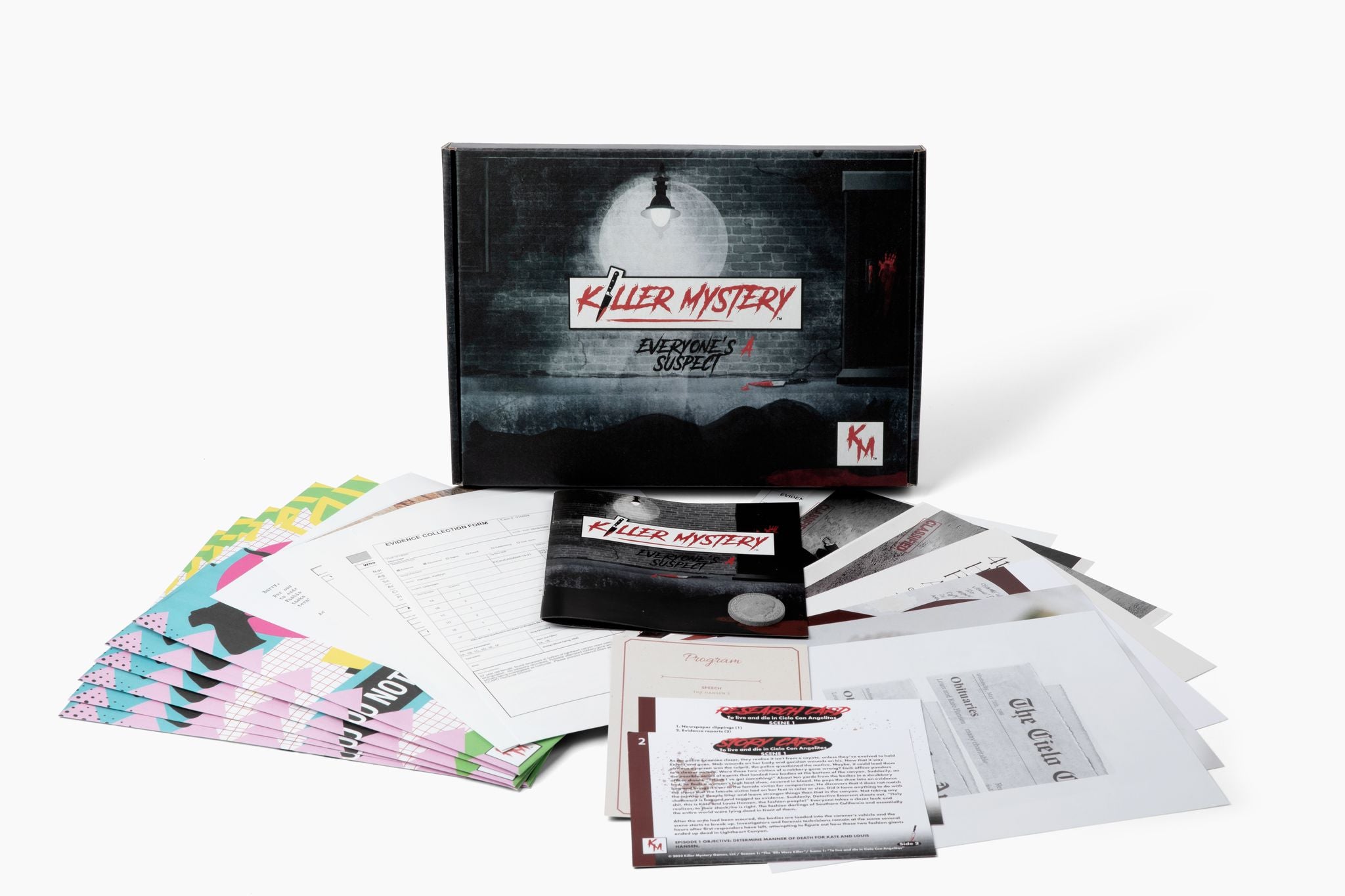
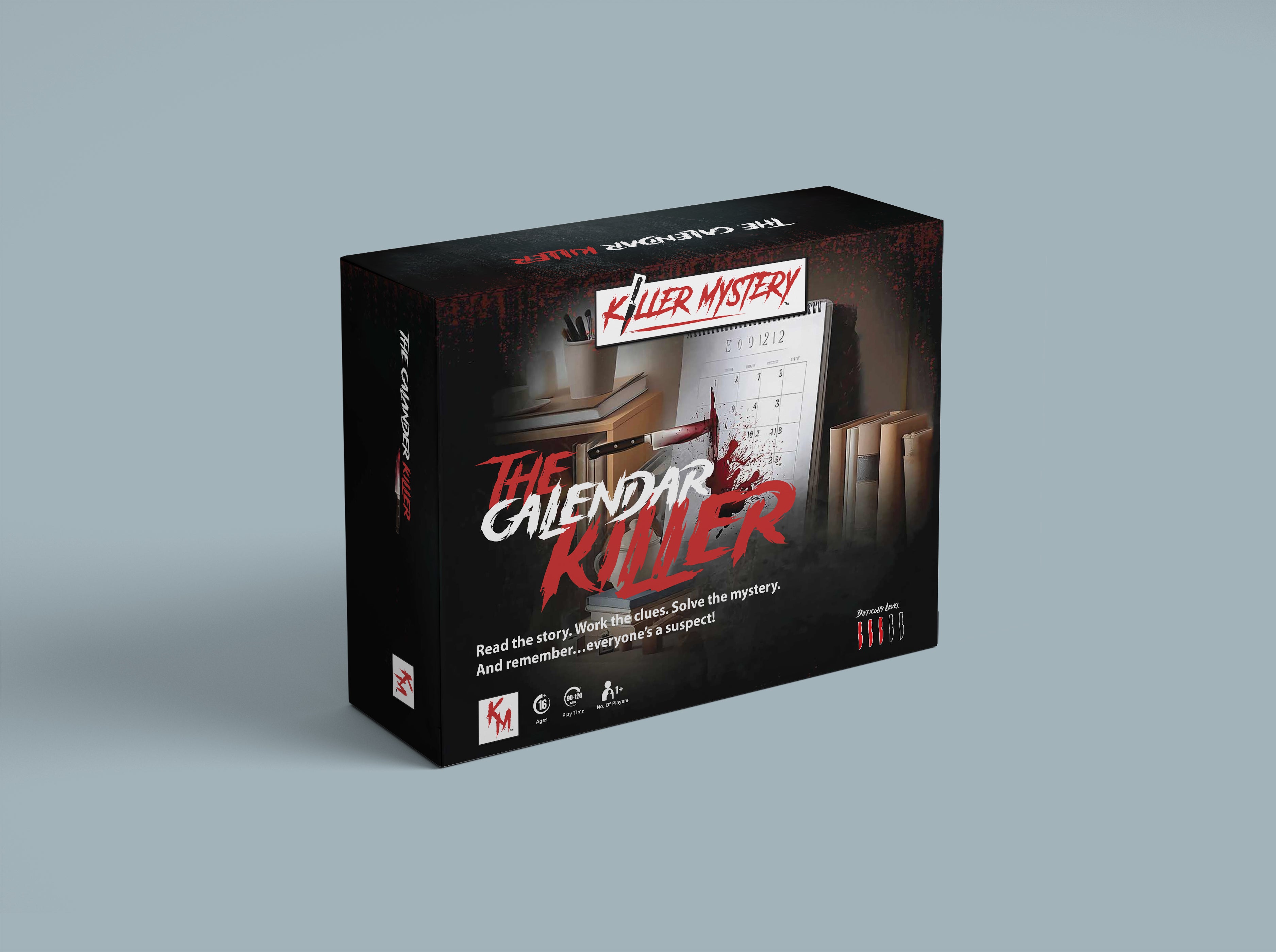
Browse the full lineup of murder mystery games, or grab The Calendar Killer if a single story is all you need.
The gap between a good mystery night and a box that sits in the closet is usually format, not theme. Pick the buying model that matches how your group actually plays, and the rest follows. Get started with Killer Mystery and turn your next game night into a case worth arguing over.
Frequently Asked Questions
Is Hunt A Killer a board game or a subscription?
Hunt A Killer is a separate company from Killer Mystery. The company which offers its own subscription box at $29.00 per month or $129.00 for a season pass, plus one-time games starting at $39.99.
How long does a Hunt A Killer game take to finish?
Play time varies by case and format and by how quickly your group works through the evidence. If you want a self-contained option you can finish at your own pace, Killer Mystery's single-story game The Calendar Killer runs $39.99 and needs no subscription.
Can you play Hunt A Killer with a group?
Group play is possible with Hunt A Killer; check the product details for group size. For comparison, Killer Mystery's subscription box suggests up to 8 people and works for solo, couple, or group play, with each episode running roughly 30 minutes to 2 hours. That flexibility makes it a strong pick for murder mystery games for game night.
What are good alternatives to Hunt A Killer?
Killer Mystery offers three formats: a monthly subscription box at $29.00 per episode (or $129.00 for a season pass), a complete five-episode box set, The '80s Were Killer, at $129.99, and a single-story game, The Calendar Killer, at $39.99. Each includes physical clues, story cards, research cards, and puzzles. The box set and single-story options suit players who want to skip a subscription commitment entirely.
Killer Mystery purchase options and prices

Comments